How to Choose an EPE Foam Sheet Manufacturer for Protective Packaging
An EPE foam sheet is often the first layer between a product and damage during handling, storage, and transport. Choosing an EPE foam sheet manufacturer therefore requires more than checking a thickness or asking for a unit price. Buyers need to match density, thickness, size, surface treatment, and converting method to the product and the distribution route. This guide explains the practical points to review before ordering EPE pearl cotton sheets for electronics, glassware, medical devices, automotive parts, furniture, food, or consumer goods.
Contents
1. Define the protection job, 2. Match sheet specification to the product, 3. Review converting and customization, 4. Check quality and supply capability, 5. Prepare a useful RFQ, 6. Frequently asked questions
Define the Protection Job Before Choosing a Sheet
Start with the item being protected. Record its length, width, height, weight, sharp edges, surface sensitivity, and the points where it needs cushioning. A flat sheet may separate stacked products, wrap a finished surface, or line a carton. It may also be laminated, die cut, folded, or combined with an insert. The correct sheet is determined by the job it must perform, not by a generic phrase such as “soft foam.”
The distribution route is equally important. A product moving through a controlled factory may need a different solution from one shipped through parcel networks. Note vibration, stacking, moisture exposure, temperature changes, repeated handling, and whether the foam will be reused. If the package is for a medical device, electronic component, fresh produce, or food-related application, put the relevant material and cleanliness requirements in writing before sampling.
Information to provide | Why it matters | What to confirm |
Product weight and dimensions | Guides cushioning thickness and sheet layout. | Where does the product need support? |
Surface and edge sensitivity | Helps avoid abrasion, pressure marks, or scratches. | Is a softer contact layer needed? |
Shipping and stacking conditions | Affects compression and package design. | Will the sheet be used once or repeatedly? |
Required sheet size | Controls nesting, waste, and converting. | Are standard or custom dimensions needed? |
Application and compliance | May require anti-static, food-grade, or other options. | Which documents or tests are required? |
Match Thickness and Density to the Product
Bozhong’s public product page lists EPE foam sheets in thicknesses from 1 mm to 100 mm and densities from 18 to 45 kg/m³, with custom sizes and multiple colors available. These published ranges are useful for starting a conversation, but the correct selection still depends on product weight, contact area, drop risk, and the number of layers in the package. Ask the supplier to recommend a structure based on the actual item and to state the proposed thickness and density in the quotation.
Thicker is not automatically better. A thick sheet can improve separation or clearance, but it can also reduce carton space and increase material use. Higher density may support heavier loads or improve handling, yet it may change the feel, cost, and cutting behavior. A short sample test with the real product can show whether the sheet prevents movement and surface contact without making packing slow or wasteful.
Review Sheet Formats and Converting Options
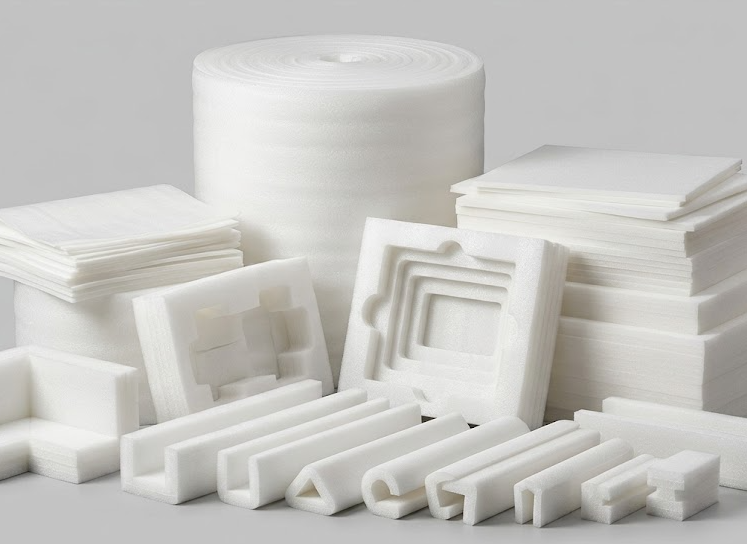
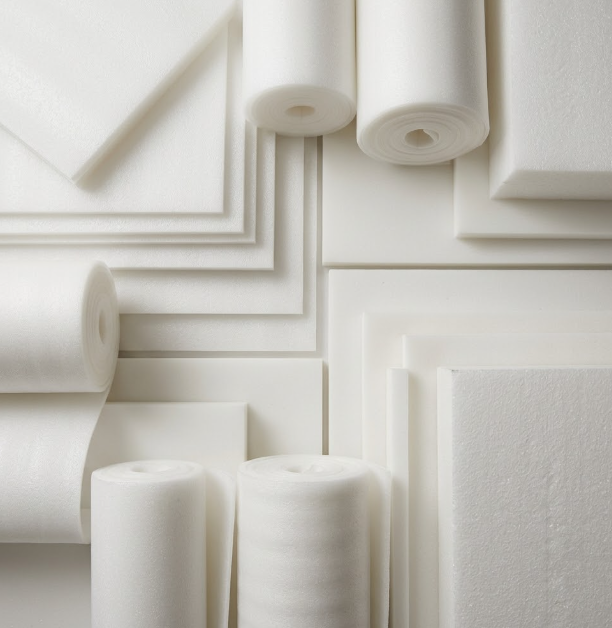
An EPE foam sheet manufacturer may supply rolls, boards, flat sheets, laminated sheets, or colored sheets. Rolls can suit continuous wrapping or high-volume packing. Boards and cut sheets may be easier to stack, pick, and use in a fixed carton. Laminated EPE sheets can combine layers or provide a different surface, but the supplier should explain the construction, thickness tolerance, and intended application.
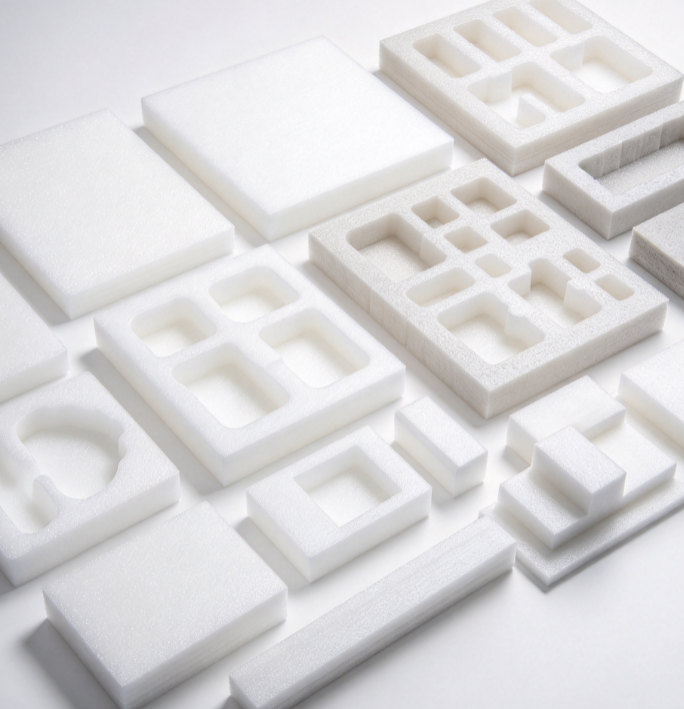
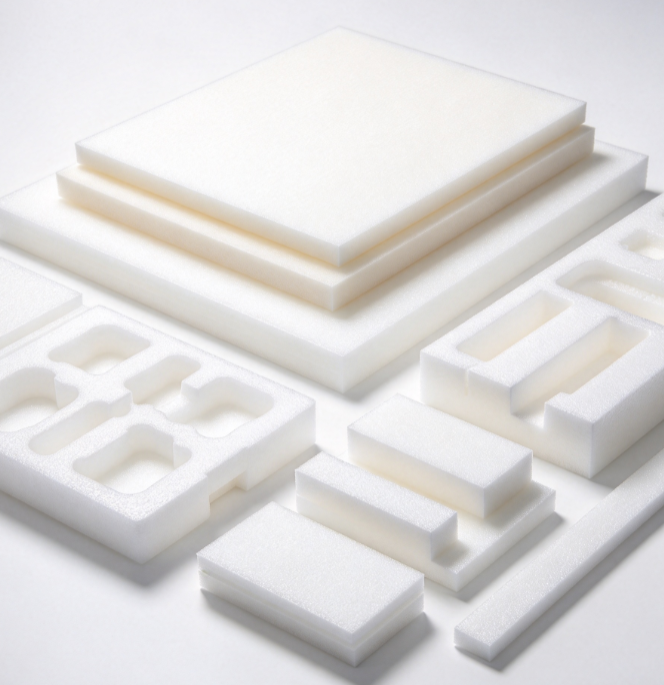
Ask how the sheet will be converted for your product. Bozhong lists CAD/CAM design, prototype samples, and mass production under its custom packaging category, as well as die-cut packaging and CNC-routed inserts. These capabilities can turn a general sheet into a defined protective component. Confirm drawing revision, cutting tolerance, edge quality, waste handling, and whether the sample uses the same material and process as production.
Check Quality and Supply Capability
Bozhong states that its operation includes a 4,500 m² facility, nine production lines, and a published daily capacity of 500 m³. It also describes ISO-certified quality management and a quality rate figure on its homepage. Buyers should treat these as starting points for due diligence and ask how quality is measured for the requested sheet. Useful checks include thickness, density, dimensions, color consistency, surface condition, and packaging cleanliness.
A good approval process records the material specification, sample, inspection points, and acceptable variation. For repeat orders, keep the approved sample and artwork or drawing revision with the purchase record. Ask how batches are identified and how the supplier handles a change in raw material, color, lamination, or cutting method. Consistency matters when foam sheets are packed with automated equipment or used across several factories.
Prepare a Useful RFQ
A practical request for quotation should include product photos or drawings, product dimensions and weight, desired sheet or roll format, thickness range, density preference if known, color, quantity, delivery location, and application. Explain whether the sheet will be wrapped, layered, die cut, or assembled into an insert. Ask the supplier to separate material, converting, tooling, sample, packing, and freight costs.
Request a sample before approving volume. Compare fit, movement, abrasion, handling speed, carton utilization, and appearance. If anti-static, ESD, food-grade, flame-retardant, thermal, or acoustic performance is required, state the exact requirement and ask for the relevant technical documentation. Do not assume that a general EPE sheet meets a specialized requirement without written confirmation.
Frequently Asked Questions
What is the best thickness for an EPE foam sheet?
There is no universal thickness. Start with the product weight, contact area, drop risk, and available package space, then confirm the choice with a representative sample.
Can EPE sheets be cut to a custom size?
Yes, Bozhong lists custom sizes and custom packaging supported by CAD/CAM design and prototype samples. Confirm the drawing, tolerance, and production process for your specific part.
Should I choose rolls or flat sheets?
Rolls can support continuous wrapping and high-volume work. Flat sheets or boards may be easier for fixed carton layouts and manual picking. The better format depends on packing method and storage.
How do I keep repeat orders consistent?
Use an approved sample and written specification covering thickness, density, size, color, surface, and converting details. Record any approved changes before the next production run.
Summary
Selecting an EPE foam sheet manufacturer starts with the product and the handling route. Define the protection job, match thickness and density to actual conditions, choose a practical format, and verify custom converting through samples. A clear specification and repeat-order reference help turn a general foam sheet into reliable packaging.