How to Specify EPE Foam Sheets for Electronics Glass Medical and Industrial Packaging
EPE foam sheets can be used as a simple separator or as the starting material for a complete protective package. The best result comes from connecting material selection with the product shape, packaging sequence, and shipping environment. This guide shows buyers how to prepare a practical specification for an EPE foam sheet manufacturer when the application involves electronics, glass and ceramics, medical equipment, automotive parts, tools, appliances, or other fragile goods.
Contents
1. Start with the product and logistics, 2. Choose between sheet, roll, insert, and profile, 3. Address specialized requirements, 4. Design for packing and repeat production, 5. Build a supplier approval plan, 6. Frequently asked questions
Start with the Product and Logistics
Measure the product and its accessories before discussing foam. Note weight, center of gravity, fragile surfaces, protrusions, connectors, handles, and any part that must not carry load. Then map the packing sequence: where the operator places the product, how the foam is folded or cut, how the carton closes, and how the packed unit is removed. These details determine whether a flat EPE sheet is enough or whether the project needs an insert, profile, or multi-piece assembly.
Shipping conditions should be written into the brief. Electronics and medical devices may need controlled contact and anti-static options. Glass, ceramics, and mirrors may need edge and corner protection. Automotive parts and tools may need separators that tolerate repeated handling. Fresh produce and food applications may require a specific material declaration or cleanliness requirement. The correct question is not simply “Is EPE suitable?” but “What construction and documentation fit this product and route?”
Application | Typical packaging concern | Useful supplier input |
Electronics and PCBs | Static, vibration, connectors, and surface marks. | Anti-static or ESD option, insert layout, sample test. |
Glass and ceramics | Edges, corners, impact, and abrasion. | Profiles, liners, clearance, and handling review. |
Medical devices | Clean contact, fit, labels, and repeatability. | Material documentation, drawing control, and inspection. |
Automotive parts | Weight, oil exposure, stacking, and part movement. | Density proposal, separators, and case packing. |
Tools and equipment | Sharp edges, weight, and repeated use. | Die-cut layout, wear review, and reusable design. |
Choose Between Sheet Roll Insert and Profile
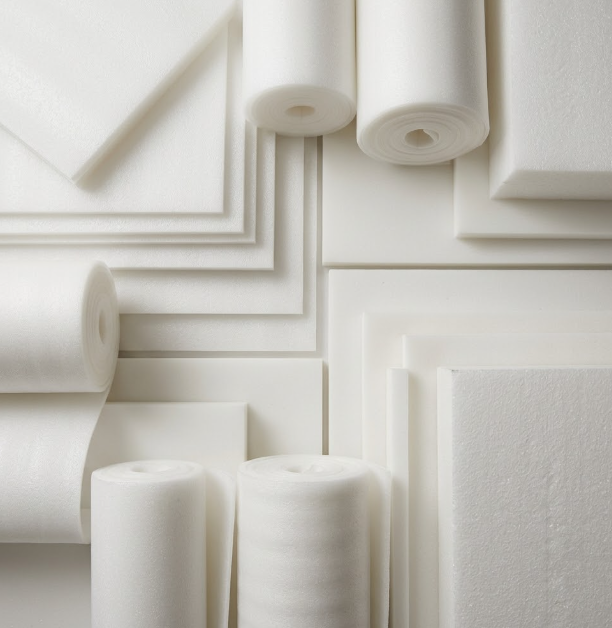
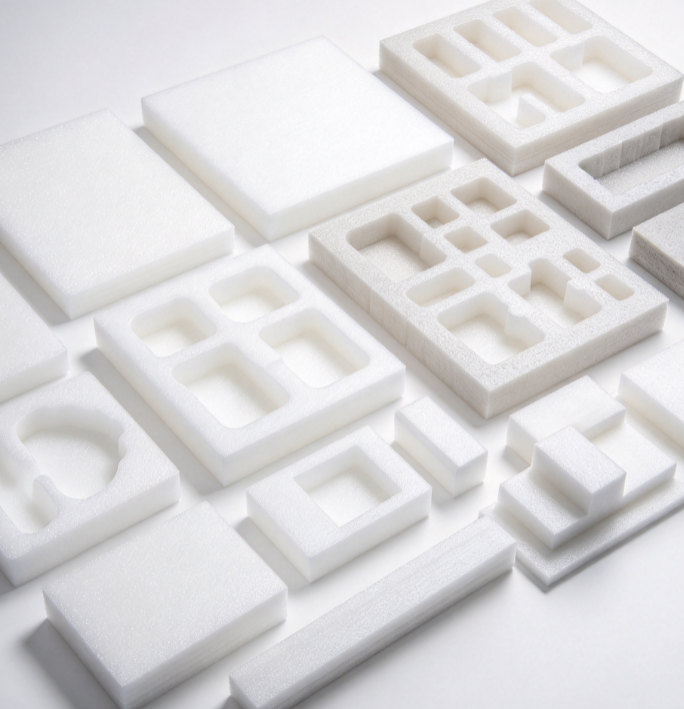
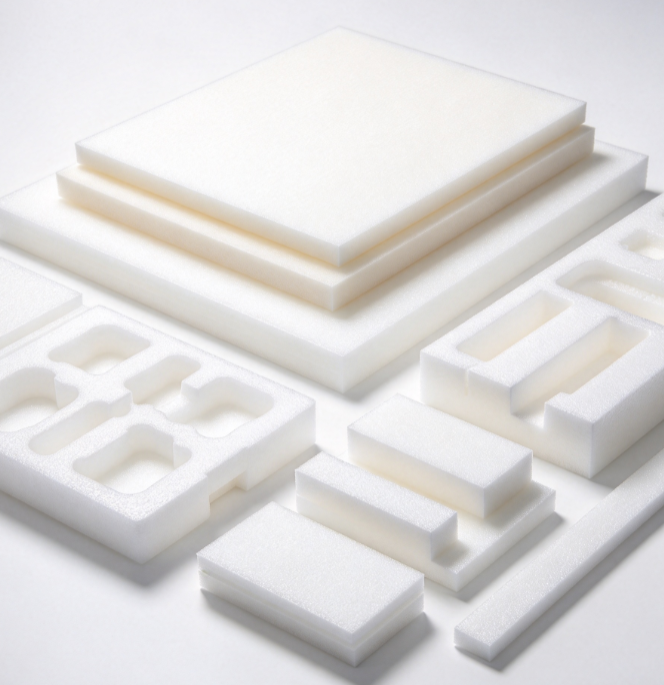
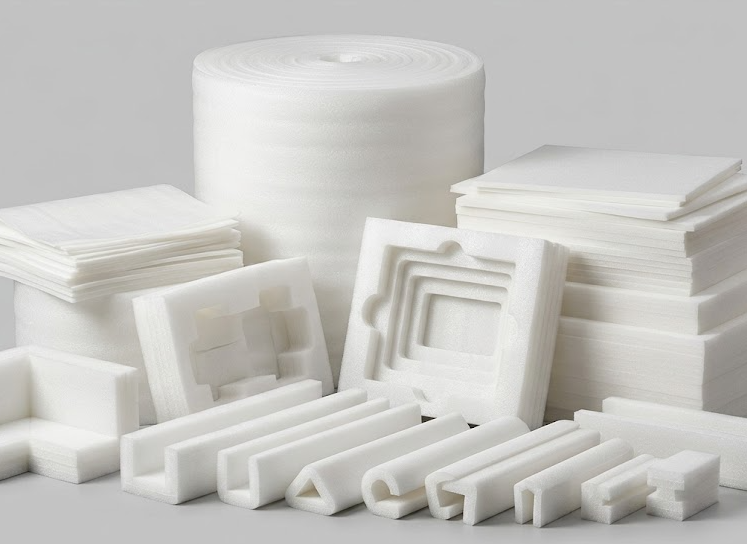
Bozhong’s product range includes EPE foam sheets, rolls, custom packaging, protective inserts, profile materials, bags, and specialty products. A sheet may be the right choice when operators need a flexible liner or separator. A roll can support continuous wrapping. A die-cut or CNC-routed insert is more appropriate when the product has a fixed shape and must be held in a repeatable position. Edge guards, U-channels, and corner protectors can protect long, sharp, or exposed surfaces without filling the entire carton.
The format affects packing speed and storage. A roll may reduce individual handling but require a cutting step. An insert can improve fit but needs a drawing and tooling or routing process. A profile can protect a vulnerable edge with less material, but it must remain secure during transport. Ask the supplier to compare the proposed format with carton size, packing labor, stacking, and return or reuse conditions.
Address Specialized Requirements Clearly
The product page lists anti-static EPE, ESD protection, thermal insulation, acoustic panels, flotation foam, laminated composites, and food-grade availability under specialty products. These options should be treated as separate technical requirements, not assumed properties of every standard sheet. State the required function, test method, target market, and documentation. If a buyer needs ESD control, for example, ask which product construction and verification method apply.
Color and branding can also be functional. Different colors may help operators identify layers or part numbers, while custom printing can support handling instructions or brand presentation. Confirm color reference, print area, surface compatibility, and whether the same appearance will be maintained across repeat batches. A sample made with a different surface or density may not represent production behavior.
Design for Packing and Repeat Production
A protective package should be easy to load correctly. Define orientation marks, contact points, clearance, and the number of foam pieces per pack. If a part can be placed upside down or shifted, add a visual or physical guide. For manual packing, avoid unnecessary folds and cuts. For automated or high-volume packing, confirm the sheet tolerance and part presentation so the foam does not jam or require frequent adjustment.
Record the approved design in a controlled specification. Include material type, thickness, density, dimensions, color, lamination, cut profile, insert revision, packing method, and inspection points. When the design changes, update the drawing and sample together. Bozhong describes prototype samples, mass production, and quality inspection for custom packaging; buyers should define the exact approval sequence and responsibilities before the order is released.
Build a Supplier Approval Plan
The approval plan should use the real product, representative foam, and the intended carton or case. Check product fit, movement, abrasion, drop or handling response, packing time, unpacking, and carton utilization. For specialized applications, add the required electrical, thermal, cleanliness, or material checks. Keep a signed or otherwise controlled reference sample and note the batch or drawing revision.
Also confirm practical supply details. Bozhong publishes a 4,500 m² facility, nine production lines, 500 m³ daily capacity, and a stated seven-day standard delivery time. Those figures can help frame a discussion, but actual lead time depends on material, quantity, tooling, sampling, and shipping. Ask for the schedule for your order, the minimum order quantity, packaging method, lead time, and the contact responsible for technical changes.
Frequently Asked Questions
When should I use an EPE foam insert instead of a sheet?
Use an insert when the product needs defined locations, orientation, or separation. A sheet is often more suitable for flexible lining, wrapping, or simple layers.
Can EPE foam protect fragile glass or ceramic products?
It can be part of a protective design, especially with profiles, liners, or formed inserts. The final choice should be verified with the product, edge geometry, and handling route.
What should an international buyer request from the supplier?
Request the material specification, dimensions, density or thickness information, sample approval record, packing details, lead time, and any documents required by the destination market.
How can I reduce foam waste?
Start with the product layout, nesting, roll width, cut pattern, and carton dimensions. A supplier can often propose sheet or insert dimensions that reduce offcuts without weakening protection.
Summary
EPE foam packaging works best when material, format, and packing method are designed together. Define the product and logistics first, then compare sheets, rolls, inserts, profiles, and specialty constructions. Use a representative sample and a controlled specification to confirm protection, packing efficiency, and repeat-order consistency with an EPE foam sheet manufacturer.